

Britain’s homes are some of the oldest and least energy‑efficient in Europe. Millions of households have watched their fuel costs soar while living in draughty properties that waste heat. Recognising that a warm home should be a basic guarantee, the UK government unveiled the Warm Homes Plan in January 2026. This landmark programme brings together grants, cheap finance and new regulations to cut bills, slash carbon and protect renters. Below, we explore how the plan works, what support is on offer and what it means for homeowners today and over the next few years.
Why Energy Upgrades Matter More Than Ever
Britain’s energy crisis did not arrive overnight. Years of underinvestment in insulation and low‑carbon heating left families exposed to volatile gas prices. The government acknowledges that home insulation installations fell by more than 90 % between 2010 and 2024, a decline that has left millions of households paying higher bills. At the same time, demand for clean energy products such as solar panels and heat pumps is soaring. Even though technology costs are falling, upfront costs still put these upgrades out of reach for many households. Tackling this affordability gap is central to the Warm Homes Plan.
Overview of the Warm Homes Plan
Ministers describe the Warm Homes Plan as the biggest home upgrade programme in British history. It commits £15 billion in public investment and aims to upgrade up to five million homes over the next decade. This investment is expected to lift a million families out of fuel poverty by 2030. The plan complements the existing Warm Home Discount and includes an average £150 reduction in bills from April 2026, funded by transferring environmental and social scheme costs into general taxation.
The Warm Homes Plan is structured around three pillars:
- Direct support for low‑income households.
- A universal offer for all households.
- New protections for renters.
Each is explored in detail below.
Pillar 1 – Direct Support for Low‑Income Families
Low‑income households often live in the least efficient homes but have the least capacity to invest in upgrades. The plan sets aside £5 billion in public investment to deliver free packages of improvements. Depending on the property type, this could include loft and cavity wall insulation, new heating controls, or even fully funded installations of solar panels and a battery. Solar plus battery systems currently cost around £9,000–12,000, so covering the entire cost makes a dramatic difference for low‑income households.
For residents of social housing, upgrades may be delivered street by street to maximise economies of scale and ensure that entire neighbourhoods benefit. This approach echoes successful area‑based schemes such as Nest in Wales and Warmer Homes Scotland, which retrofit entire blocks at once rather than leaving pockets of fuel poverty behind. An estimated half a million families will be lifted out of fuel poverty through these improvements.
Pillar 2 – A Universal Offer for All Households
The second pillar recognises that the climate transition will only succeed if energy upgrades become mainstream. To drive mass adoption, the plan offers a government‑backed zero‑ or low‑interest loans programme. Homeowners will be able to borrow cheaply to install solar panels, home batteries and heat pumps. The aim is to triple the number of homes with solar panels by 2030.
Direct grants complement low-cost finance. The Boiler Upgrade Scheme (BUS) already provides £7,500 towards an air‑source or ground‑source heat pump and £5,000 towards a biomass boiler. From 2026, there will also be £2,500 for air‑to‑air heat pumps, giving homeowners more flexibility. The Warm Homes Plan will make it easier to access these grants and expand them to”air‑to‑air” systems that can cool homes in summer.
For households that already have capital, the government intends to require solar panels on all new homes from 2026. This change supports a rooftop revolution and follows the example of countries such as Germany, where solar installation is standard on new builds. It will also help to normalise solar and bring down costs.
Pillar 3 – Protections for Renters
Renters often have little control over insulation or heating systems. Currently, 1 million children live in private accommodation that is cold, damp, and mouldy. To address this, the plan will update minimum energy standards and give tenants greater rights to insist on improvements. Landlords will be supported with grants and finance, but those who fail to act could face sanctions. The reforms are expected to lift half a million households out of fuel poverty among renters. Better housing standards will also reduce health problems linked to cold homes, such as respiratory illnesses, and may relieve pressure on the NHS.
How the Warm Homes Plan Works With Existing Schemes
Warm Home Discount
The Warm Home Discount Scheme remains separate from the Warm Homes Plan but is another tool to help households manage bills. Although the scheme is currently closed, it will reopen in October 2026 and provide a one‑off £150 discount on electricity bills for eligible customers. The discount is applied automatically through energy suppliers. Eligibility is based on receiving the Pension Credit Guarantee Credit or on a low income. With the Warm Home Discount’s funding moving from standing charges to the unit rate, the average household will save £150 on their bills from April 2026. That’s in addition to any savings achieved through insulation or renewable energy.
Energy Price Cap Changes
The Warm Homes Plan sits alongside broader changes to the energy price cap. Ofgem noted that due to changes in how environmental and social scheme costs are funded, customers will save an average of £150 from April 2026. Wholesale energy prices have also fallen, reducing bills by around £38 per year, though network costs have increased. The price cap continues to protect households on standard tariffs, and Ofgem reviews it every three months. These savings, combined with energy‑efficient homes, help to stabilise household budgets.
Boiler Upgrade Scheme
As mentioned, the Boiler Upgrade Scheme provides grants for heat pumps and biomass boilers. It is currently available in England and Wales and offers:
- £7,500 towards an air‑source heat pump (air‑to‑water).
- £7,500 towards a ground‑source heat pump.
- £5,000 towards a biomass boiler.
- £2,500 towards an air‑to‑air heat pump.
Homeowners cannot get a grant for hybrid systems. The system must meet minimum efficiency standards, and there are capacity limits (up to 45 kWth per individual system). The BUS aims to reduce installation costs, but many homes still need additional insulation to maximise the benefits.
Solar Panels and Home Batteries
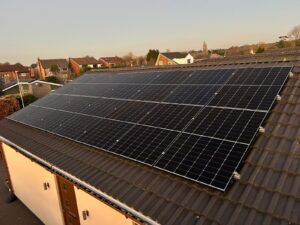
One of the most eye‑catching aspects of the Warm Homes Plan is the rooftop revolution. Solar panels can slash energy costs, and when paired with a battery, households can use their own electricity in the evenings. The plan will support loans and fully funded installations for low‑income households and triple the number of solar homes by 2030.
Why Invest in Solar?
- Reduced bills: Solar electricity displaces expensive grid power. A well‑sited 4 kW system can cut electricity costs significantly, especially with daytime loads such as washing machines or heat pumps.
- Battery storage: Batteries increase self‑consumption by storing surplus daytime generation for evening use. When combined with time‑of‑use tariffs, households can charge the battery cheaply and avoid peak rates, smoothing bills.
- SEG payments: The Smart Export Guarantee pays households for surplus electricity exported to the grid. Although rates vary by supplier, payments help shorten payback times.
- Rising property value: Energy‑efficient homes are more attractive to buyers. EPC ratings are becoming increasingly important as lenders favour efficient properties.
- Environmental benefits: Solar reduces reliance on fossil fuels and cuts carbon emissions, supporting national net‑zero targets.
Heat Pumps: Clean Heat for Modern Homes
Heat pumps extract low‑grade heat from the air or ground and compress it to create usable warmth. They are cheaper to run than gas boilers if the home is well insulated and electricity costs remain competitive. The government aims to accelerate uptake through the BUS and the Warm Homes Plan’s loan scheme. Homeowners should consider:
- Upfront costs: Even with the £7,500 grant, air‑source heat pumps cost around £10,000–£13,000 to install. Ground‑source systems are more expensive due to the groundworks required.
- Insulation first: Heat pumps work best in well‑insulated homes. If your property has poor insulation, invest in loft and wall insulation first.
- Operating temperatures: Heat pumps provide gentle, continuous heat rather than intense bursts. Larger radiators or underfloor heating may be needed, which adds cost.
- Cooling capability: Air‑to‑air heat pumps can cool homes in summer, a benefit as British summers become hotter.
Insulation and Energy Efficiency Measures
Improving insulation is often the most cost‑effective upgrade. The Warm Homes Plan will fund:
- Loft and cavity wall insulation: Essential for reducing heat loss.
- Solid wall insulation: For older properties without cavities.
- Upgraded windows and doors: To minimise drafts and improve comfort.
- Heating controls: Smart thermostats and zonal controls allow homeowners to heat rooms efficiently.
The Great British Insulation Scheme (formerly ECO+) continues to deliver insulation improvements to homes across England, Scotland and Wales. Households on means‑tested benefits or with low EPC ratings (D–G) may qualify for free upgrades.
How to Access Warm Homes Support
The government has signalled that the Warm Homes Plan will be delivered through a mix of national and devolved schemes. It is not yet open for applications, but homeowners can prepare by:
- Checking existing support.
- Warm Home Discount: Ensure you’re on the correct tariff, and contact your supplier to claim the discount in October.
- Boiler Upgrade Scheme: Speak to an MCS‑certified installer to secure heat pump grants.
- Home Upgrade Grant and Local Authority Delivery (HUG): Low‑income households in off‑gas homes can apply through their local authority for home improvements such as insulation, solar and heat pumps.
- Getting an energy assessment. A qualified assessor or local council can advise on which technologies are suitable for your property and help you prioritise measures.
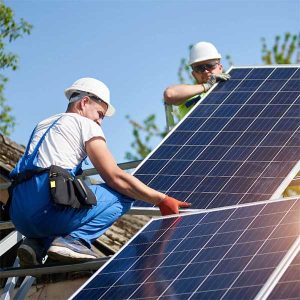
- Ensuring installer accreditation. Always use installers accredited by MCS or equivalent standards. This protects you if anything goes wrong and may be a requirement for funding.
- Comparing finance options. Review loan terms and interest rates when they become available. Payback periods will vary depending on energy use and household circumstances.
- Planning for 2026 and beyond. Although the plan runs to 2030, starting early can lock in savings and avoid a rush as deadlines approach. Consider combining upgrades to minimise disruption.
Practical Tips for Homeowners
- Insulate before you generate. Insulation reduces heat loss, meaning any solar or heat pump system will work more effectively.
- Monitor energy use. Smart meters provide insight into when and how you use power. This helps tailor solar, battery and heat pump systems to your lifestyle.
- Consider solar orientation. South‑facing roofs with little shading are ideal, but east/west installations can also be viable.
- Electrification plan. As the country moves away from gas, think about upgrading your electrical system (e.g., fuse board) to support heat pumps and EV charging.
- Engage with your community. Many local authorities and community energy groups run bulk‑buy schemes for solar panels or heat pumps, reducing costs and helping homeowners navigate the grant process.
Future Developments
The Warm Homes Plan sits within a broader strategy to decarbonise homes and secure the UK’s energy independence. By mandating solar on new homes, expanding heat-pump grants, and offering low‑interest loans, the plan aims to transform the housing stock. It will create demand for skilled installers, supporting thousands of green jobs across the country and giving the industry the confidence to invest in manufacturing.
Success will depend on delivery. Local authorities will need resources to administer schemes, and the finance industry must offer fair and accessible lending. Public understanding is also critical; clear, impartial advice will help households navigate options. The Warm Homes Plan has the potential to be transformative, but only if it reaches those who need it most and supports them through the transition.
Conclusion
The Warm Homes Plan marks a major shift in UK housing policy. It recognises that energy efficiency is central to tackling the cost‑of‑living crisis, addressing climate change and improving public health. For homeowners, it offers a pathway to warmer, cheaper‑to‑run homes through grants, loans and new protections. Low‑income households will see the greatest direct support, but the universal offer means everyone can benefit from solar panels, batteries and heat pumps. When combined with existing schemes such as the Warm Home Discount and the Boiler Upgrade Scheme, the plan forms a comprehensive package.
Now is the time to assess your home, explore upgrade options, and prepare for funding and financing opportunities that will roll out in the coming months. A warm, efficient home is not just a dream—it’s a cornerstone of a fairer, greener Britain.